Saint Pancras removals in London for homes, flats and offices

Saint Pancras removals should feel organised from the first enquiry to the last item carried through the door. Our work covers household moves, flat moves, office relocation support and furniture transport, with a practical focus on careful handling, sensible planning and a tidy finish. If you need a removals service in Saint Pancras that can manage everyday moving tasks without fuss, we provide a clear route from initial details to a quoted job.
We handle a range of move types, including house removals, flat removals and office removals, so the service can be shaped around the property, access and load size rather than forcing every job into the same format. That matters where stairs, shared entrances, loading space or office furniture create different practical needs. Tell us what is moving, and we can look at the most suitable approach for the day.
For a quotation, use the contact details on the site and share as much detail as you can about the items, the move date and the collection and delivery points. If you are comparing options, our pricing and quotes page explains how we approach estimates. Clear information helps us price the job properly, and it also gives you a better idea of the vehicle, crew and timing required before anything is booked.
Household moving support for Saint Pancras properties
House moves often involve a mixture of furniture, boxed contents, fragile items and a few larger pieces that need more care than a simple van hire. We can move rooms of furniture, white goods where suitable, boxed household belongings and the everyday items that make up a full home move. A straightforward process matters here, especially when you want the work managed in a way that reduces repeated lifting and unnecessary delay.
Our domestic service is designed to stay practical rather than overcomplicated. For example, a smaller load may suit a simpler vehicle and fewer people, while a fuller move may need more time and a more structured loading plan. Where packing support is helpful, you can also look at our packing and unpacking services and packing and boxes pages. That combination can make the move easier to prepare for, particularly when breakables or mixed household contents are involved.
What a house move may include
A house removal can involve dismantled furniture, mattresses, wardrobes, tables, chairs, kitchen items and stored possessions from lofts, garages or cupboards. We keep the emphasis on safe handling and sensible loading order, because the way items are packed into the vehicle affects how smoothly the move runs. For many customers, the aim is not just transport; it is having the right pieces arrive in usable condition and in the right order for reassembly or placement.
Flat removals, access and load planning
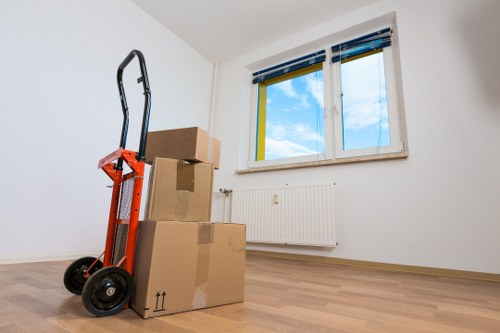
Flat moves bring their own practical details. Narrow stairwells, lifts, shared hallways, entry codes and limited parking can all affect how a removal should be planned. That is why we pay close attention to access information before the move begins. A realistic plan helps avoid rushed decisions on the day and allows us to match the approach to the building rather than working against it.
If you are moving from a flat, a professional removal service can be especially useful when furniture has to be carried through tighter internal spaces or when several trips would otherwise be needed. We can also support moves that combine smaller transport needs with furniture-only items, using our furniture removals and furniture pick-up pages as relevant options. Those services are useful when the load is limited but still needs careful handling.
For quotations, it helps to note whether the property is on a upper floor, whether parking is available close to the entrance and whether any items are awkwardly sized. That sort of detail gives a truer picture of the work involved than a simple item count alone. If you are not sure what to include, a basic list of furniture, boxes and any access restrictions is usually a good starting point.
Office removals and business relocation work
Office removals require a methodical approach because desks, chairs, filing, monitors, storage units and personal work items all need to be moved in a way that keeps the workspace organised. Our office relocation services are suitable for businesses that want help moving equipment and furniture between premises without turning the process into a long disruption. The work is planned around access, load order and the items that need the most care.
You can read more on our office relocation services page if you need support for a fuller workplace move, or use commercial moves for broader business relocation requirements. Some customers only need a small number of items transferred, while others are shifting an entire room or floor of equipment. Either way, the objective is the same: keep the move structured and keep the important items accounted for.
Where a business move includes mixed contents, it is sensible to separate what is essential for immediate use from what can be moved later or packed more compactly. Labelling and grouping by room or department can make the unloading process simpler, and it can also help when several people are using the same premises. If your office move includes storage or archived material, let us know at quotation stage so the plan reflects the actual load.
Furniture transport, single items and specialist pieces

Not every job is a full property move. Sometimes the work is simply to collect, deliver or reposition a piece of furniture with care. We can help with sofas, beds, wardrobes, tables and other household items that need safe transport rather than a general delivery service. This is useful when a customer has bought something second-hand, is clearing a room or needs one heavy item moved between locations.
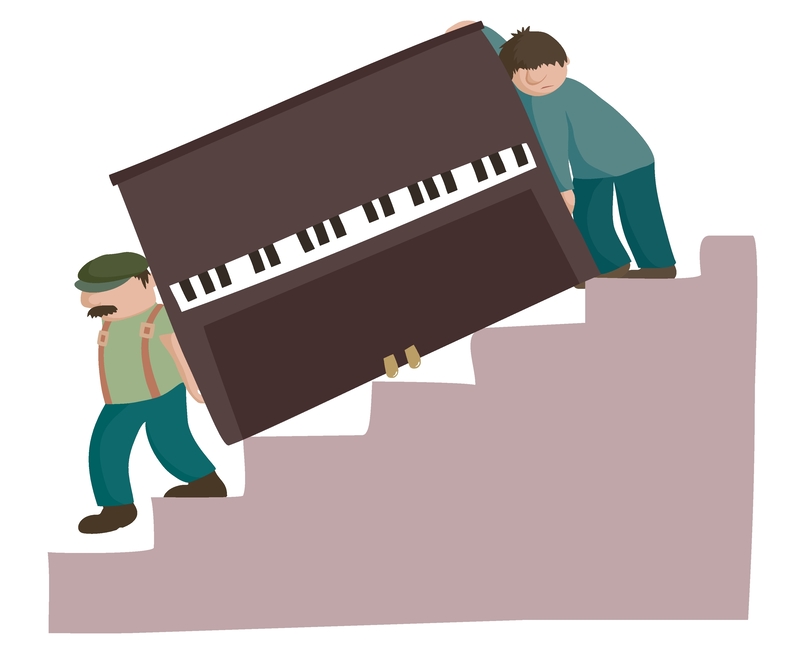
For individual items, the route and handling can matter just as much as the size of the piece itself. Door widths, stair turns, wrapping needs and whether the item can be dismantled all affect the job. If the move includes a more unusual object, our piano removals page covers specialist handling for heavier instruments, while man with a van and man and van may suit smaller transport jobs where a lighter service is appropriate.
When discussing furniture transport, it is helpful to say whether the item must be collected from a shop, a storage unit or a home, and whether there are any tight corners or external steps involved. That allows the quotation to reflect the time and care needed. If assembly or dismantling is required, mention that too, so the work can be planned properly rather than improvised on the day.
Packing, protection and day-of-move preparation
Packing is one of the most important parts of a smooth removal. The way boxes are filled, labelled and sealed affects how safely they can be carried, stacked and unloaded. Our packing support is suitable for customers who want help preparing fragile items, clothing, books, kitchen goods and mixed household belongings. Well-packed items reduce avoidable movement inside the vehicle and help keep the move orderly.
If you want to prepare some or all of the load yourself, think about the sequence of packing rather than only the final box count. Heavier items are usually best kept manageable, while fragile or breakable objects may need extra protection and clearer labels. Our packing and boxes page gives a useful route if you need materials as part of the move, and the removal services page gives a broader overview of the kinds of work we can support.
Before move day, it helps to keep aisles clear, separate anything that should travel with you personally and make sure the main items are ready to be loaded without delay. This is one of only a few areas where a little preparation makes a large difference. If you are unsure what to pack first, start with rarely used items and leave day-to-day essentials until nearer the move.
Pricing factors and quotation details

Removal prices are usually shaped by the amount of furniture and contents, the access at each property, the distance between addresses and any extra handling required. A move from a ground-floor property with easy parking is likely to differ from one involving several flights of stairs or a longer carry to the vehicle. That is why it is useful to describe the practical details of the job rather than asking for a generic estimate alone.
Our pricing and quotes page is a good starting point if you want to understand how we build a quotation from the information supplied. We may also direct you to contact us when you are ready to provide the details for a specific move. A concise list of the major items, dates and access notes usually gives enough context to begin the pricing process without unnecessary back-and-forth.
Useful quotation notes often include: the property type, the number of floors, whether there is a lift, any parking limits, the main large items and whether packing support is required. Being specific about awkward items saves time later, and it also helps us avoid underestimating the vehicle space or moving time needed for the job. If you are comparing several options, using the same information for each quote makes the comparison fairer.
Storage, temporary holding and staged moves
Sometimes a move is not completed in one straightforward journey. Items may need to be held temporarily while a property is being prepared, while keys are delayed or while a new place becomes ready for delivery. In those cases, storage can be part of the plan. Our storage page is available for customers who need an added step between collection and final delivery, making it easier to keep the move under control.
Staged moves can be useful when only part of the contents is ready, or when furniture and boxes need to be delivered at different times. A practical plan might involve moving essential items first and leaving less urgent belongings for a later date. Where that is the case, the load order matters, because the first items off the vehicle should be the ones you need most quickly. The storage option can support this sort of arrangement where appropriate.
If you are planning a move with temporary holding, it helps to identify what must be kept accessible and what can be set aside for later collection or delivery. That way the quotation can reflect the true sequence of work. This is not about creating a complicated process; it is about making sure each stage of the move matches your timetable and property access.
About Saint Pancras
Saint Pancras is an area in central London with a long history shaped by transport, education, civic buildings and changing urban development. The name is closely associated with St Pancras Old Church, one of the city’s best-known ancient parish churches, and with the station complex that became a major London railway landmark in the nineteenth century. The present station, opened in 1868 and later widely known for its Victorian Gothic train shed, is part of a wider transport hub that also includes King’s Cross nearby. The station’s role in rail travel has long influenced the character of the district, bringing movement, trade and redevelopment into the same streetscape. The local area includes a varied mix of architecture rather than a single uniform style. Around it are Georgian terraces, institutional buildings, former industrial sites and modern schemes that reflect successive waves of rebuilding. The British Library, opened at its current St Pancras site in 1998, is one of the area’s major cultural landmarks, while nearby squares and smaller streets show how the district combines busy transport corridors with quieter residential and academic pockets. The locality also sits close to the Camden and Islington borders, so its sense of place is shaped by the meeting of different London neighbourhoods. Parks and open spaces nearby, along with the Regent’s Canal corridor to the east and west, add greenery and walking routes to an otherwise dense urban environment. The result is an area that feels both historically layered and constantly in motion, with railway heritage, civic institutions and everyday city life sitting side by side.
Special handling, same-day work and customer choices

Some removals need extra handling because of the items involved rather than the distance travelled. Pianos, awkward wardrobes, fragile mirrors and bulky furniture can all require more careful lifting, wrapping or route planning. If your move includes anything that needs particular attention, it is better to mention it early so the team can consider the right approach and avoid surprises on the day. That is especially true when the access is tight or when the item has to be moved through shared areas.
For more specific transport needs, you may find the same-day removals page useful if the timing is urgent, and the removal van or removal truck hire pages relevant if you are comparing vehicle-led options. Customers do not always need the same level of service, so it makes sense to choose the route that fits the size of the load and the urgency of the move rather than assuming one standard package suits every case.
If you are ready to proceed, send over the basic move details and ask for a quotation. You can also use the contact us page as your final step once you have confirmed what is moving and when. We aim to make the next step straightforward: clear information in, practical quotation out, and a move plan that matches the job.